This review may contain spoilers.
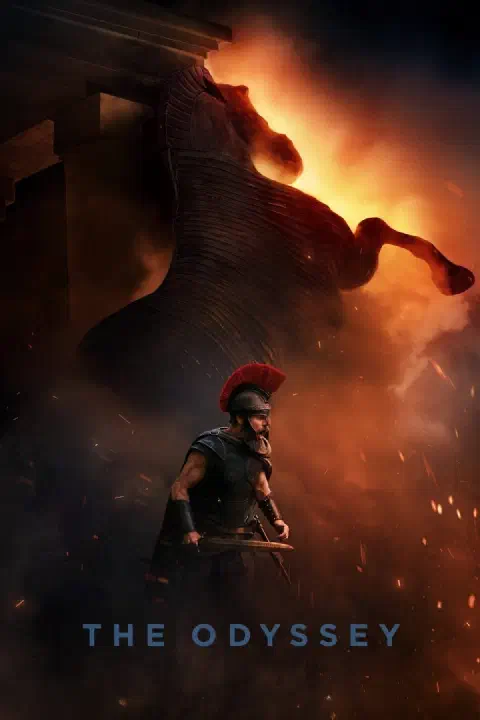
My uncle once showed me a copy of The Odyssey carried to Australia aboard the First Fleet. It felt like a beautiful object: an ancient story of wandering, endurance, and homecoming transported across the world. Nolan’s film makes that memory much harder to romanticise.
I grew up with the story of Odysseus as a hero tested by monsters, gods and hostile lands as he struggles home from Troy. Nolan turns the epic around and makes us look back from the shore.
Odysseus, his men, and all those who returned from Troy do not arrive as innocent wanderers. They arrive armed, traumatised, and practised in deception. They take what they need (or try to) and leave violence behind. They survived the war, but they also spread it.
From the ship, they are exhausted men searching for home. From every shore, they are the people who came from the sea.
The turning point in the movie is when we realise that the war had reached Ithaca before Odysseus. His return highlights how the suitors, having tormented his household and relentlessly pursued Penelope, were reproducing the same entitlement, deception, and violence that characterised the war. It has travelled inside the men who fought there; its disorder has taken root in the homes to which they had returned.
That shift makes Nolan’s Odyssey fiercely anti-war: a story about how war survives its battlefield, remakes those who endure it and turns one people’s victory into another people’s catastrophe.
I now think differently about that copy carried aboard the First Fleet. It did not cross the ocean alone, but with passengers who imagined themselves as voyagers entering a new world. From the shore, the story looked very different.
Watching Nolan’s interpretation has left me wondering: who are we—the people watching the horizon, or the ones who came from the sea?